History of Palau Güell
Palau Güell was designed by Antoni Gaudí between 1886 and 1891 for Eusebi Güell, an influential industrialist in Barcelona. Located at 43 Carrer Nou de la Rambla, the cramped plot of 500 m² pushed Gaudí to organize the space over multiple levels, creating a compact but refined palace. The deliberately austere façade contrasts with the sumptuous interior, reflecting the social discretion of the Güells, and fits into the dense urban context of central Barcelona.
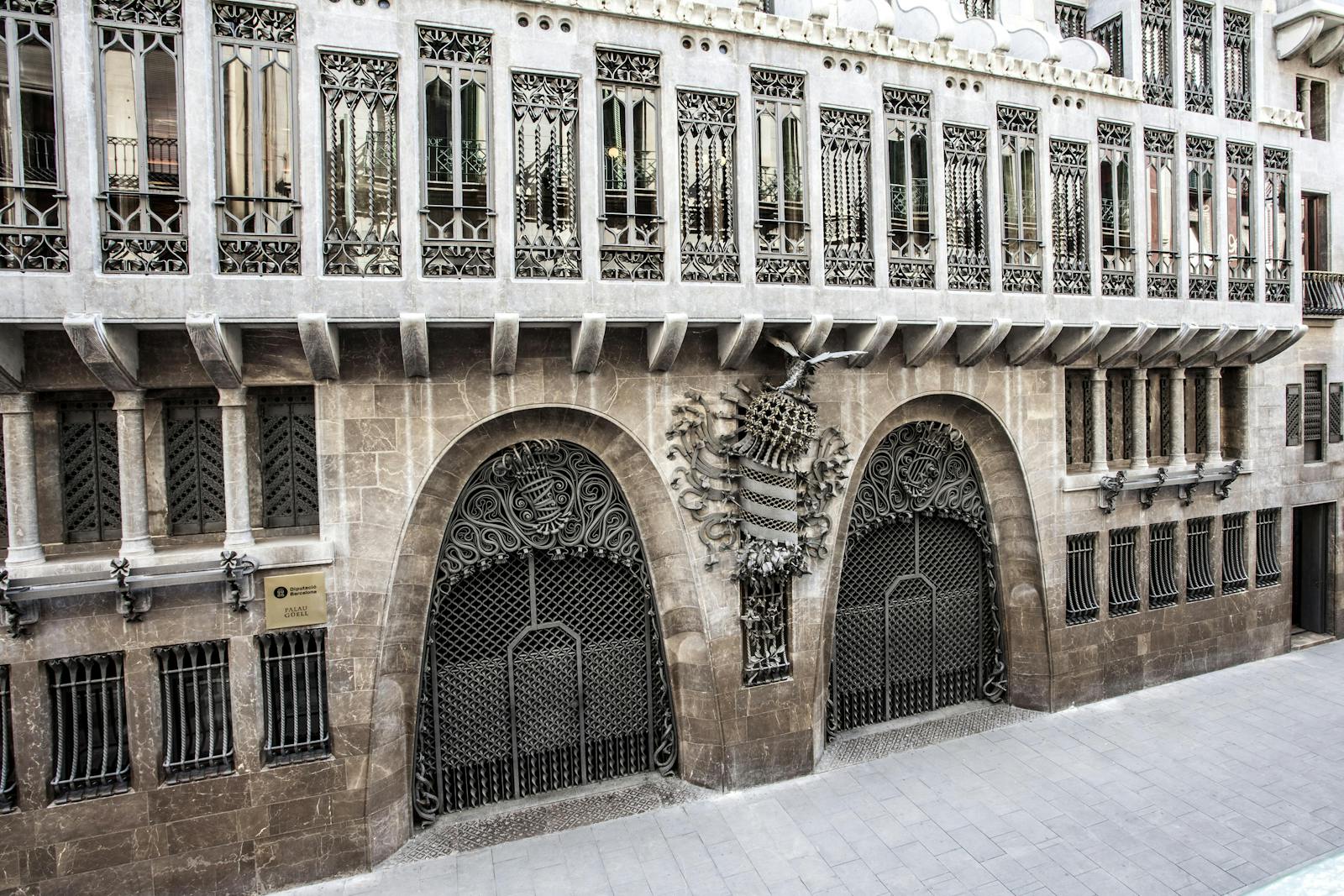
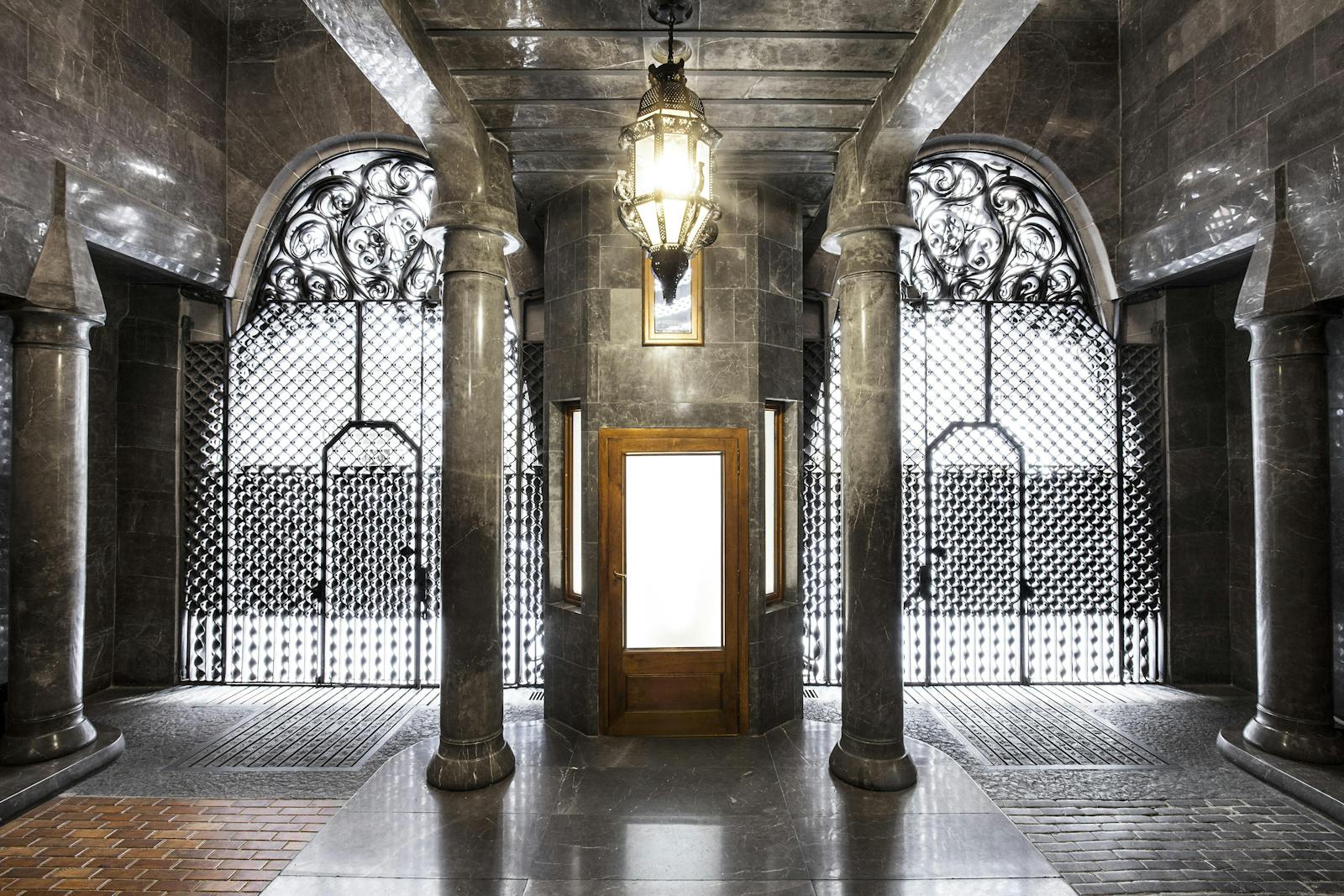
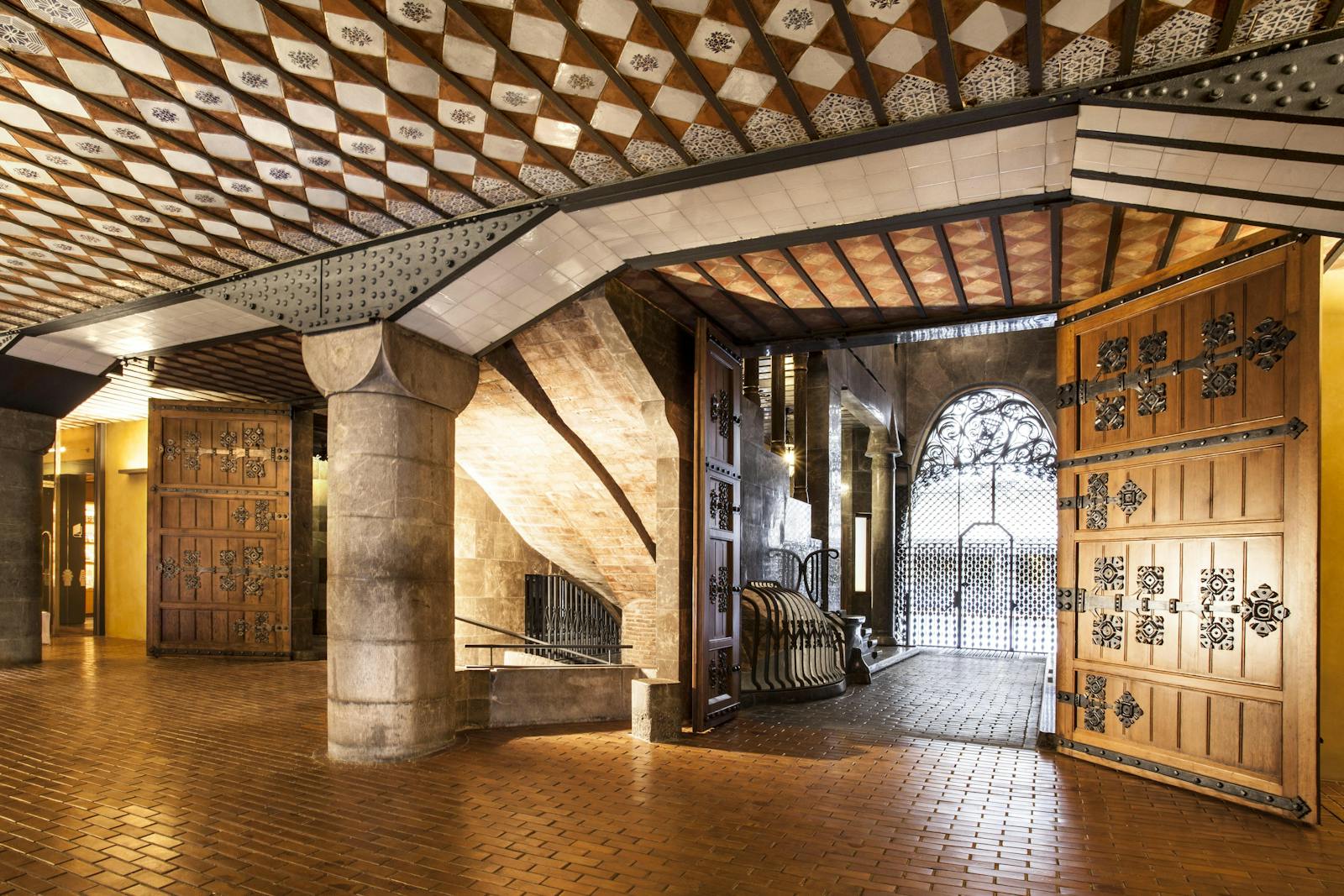
The construction sparked debates at the time, particularly regarding the carriage entrances with parabolic vaults adorned with wrought iron grilles. These elements, both functional and decorative, impressed people with their originality. Gaudí also integrated personal details, such as the initials of Eusebi Güell on the door tympanums, and used local materials like limestone for the façade.
The palace was sold in 1945 to the Barcelona Provincial Council with the obligation never to be destroyed or modified, ensuring its preservation. It has been classified as a cultural asset of interest since 1969, and inscribed as a UNESCO World Heritage Site in 1984, as part of the works of Antoni Gaudí. Since then, it has been open to the public as a museum, preserving its authenticity, and is managed by the Generalitat de Catalunya.
What to see at Palau Güell
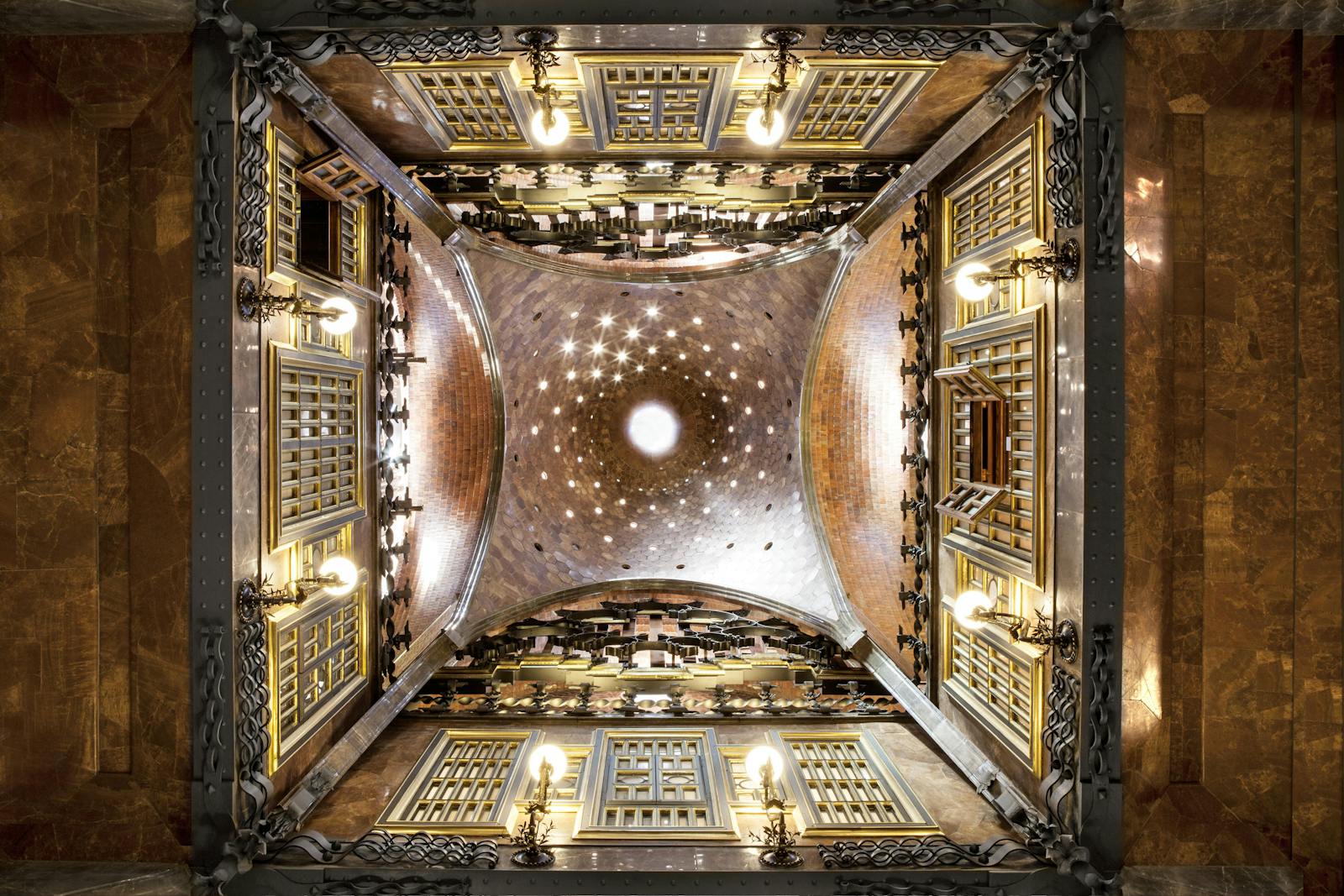
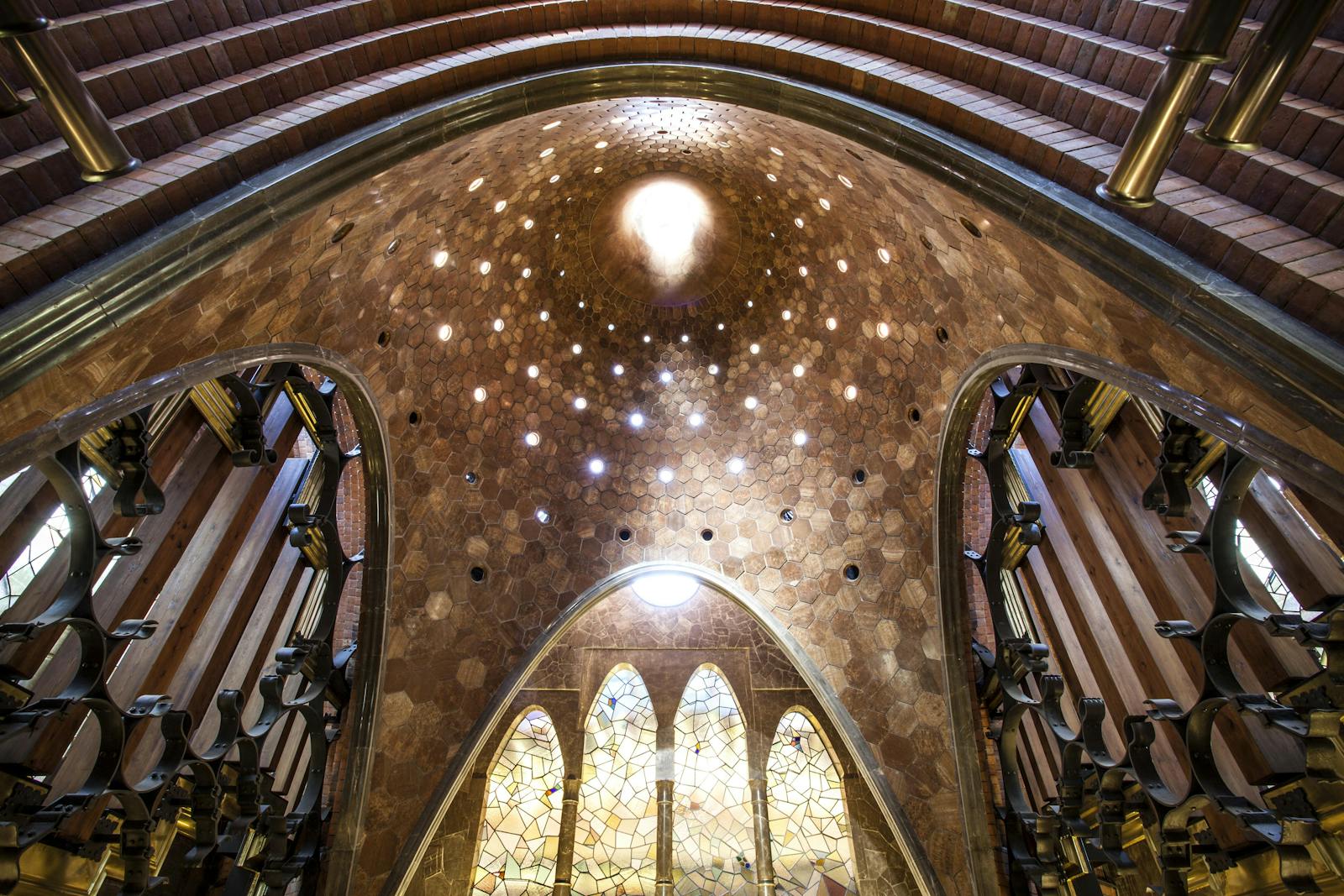
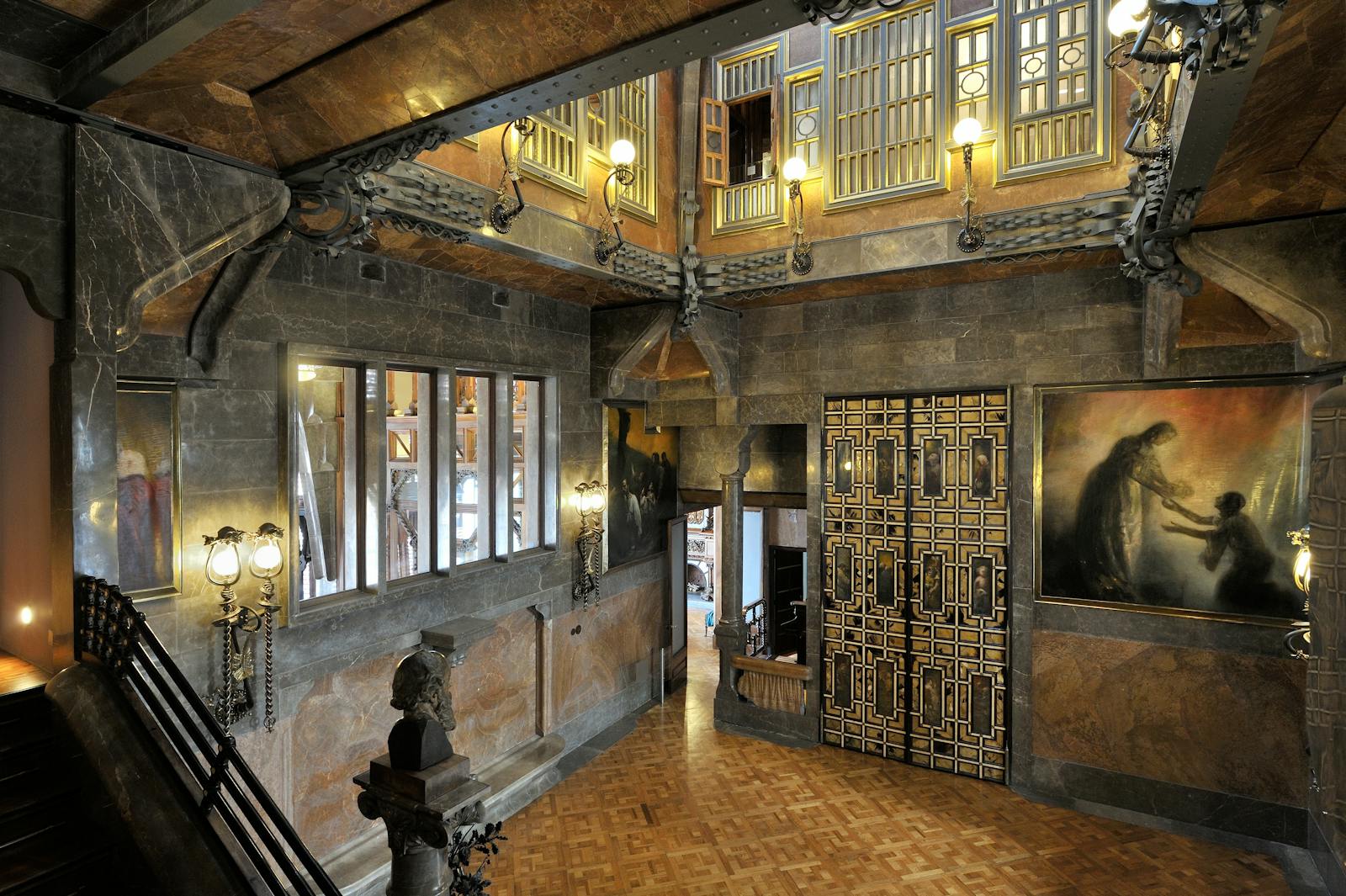
Visitor access focuses on the monumental area, including the interior and the terrace. The central vestibule, under a parabolic dome with a 15-meter lantern, is the heart of the palace. Pierced with star-shaped openings, it diffuses natural light, creating a subtle play of shadows and lights throughout the day, and symbolizes Gaudí's architectural innovation.
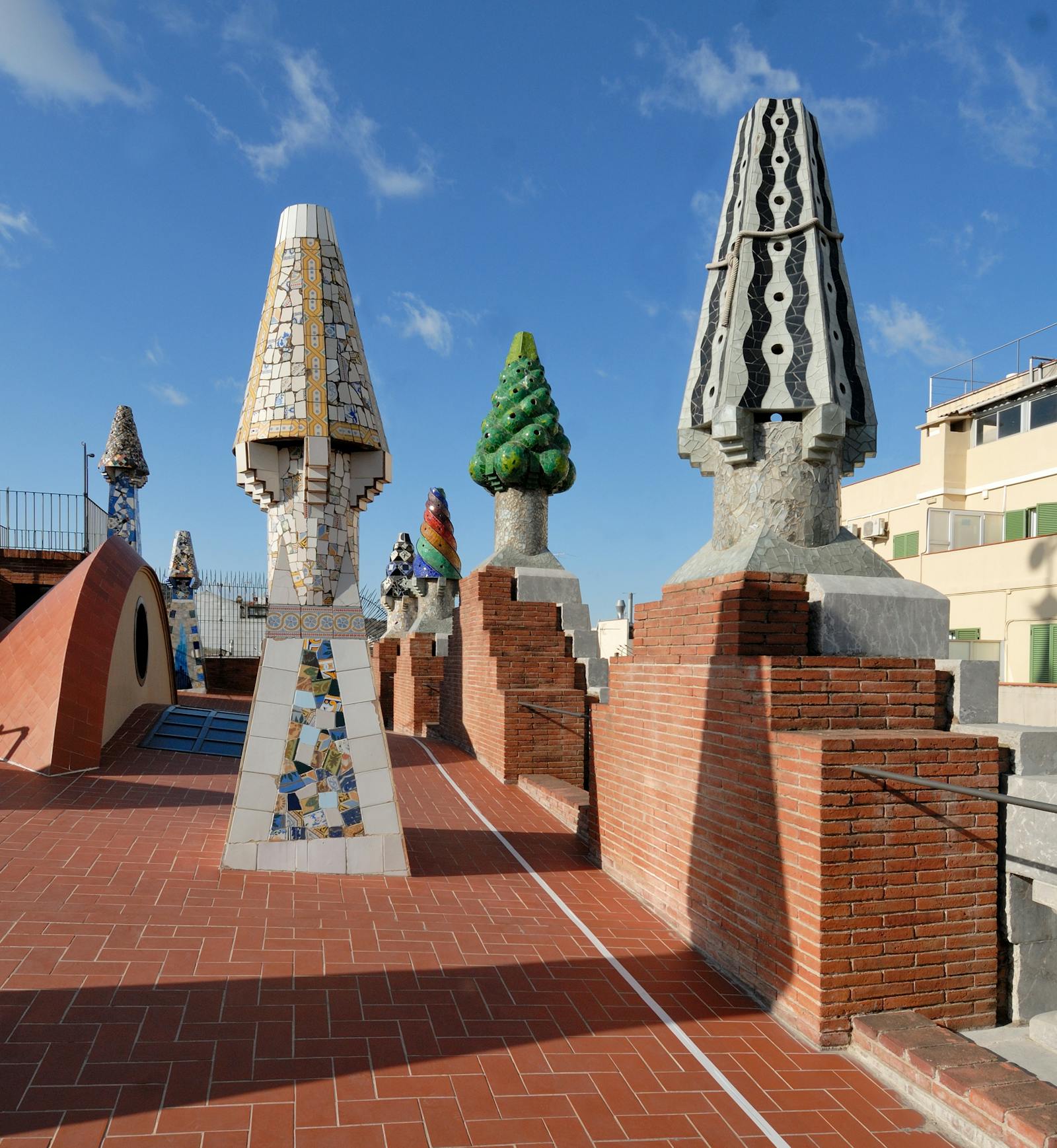
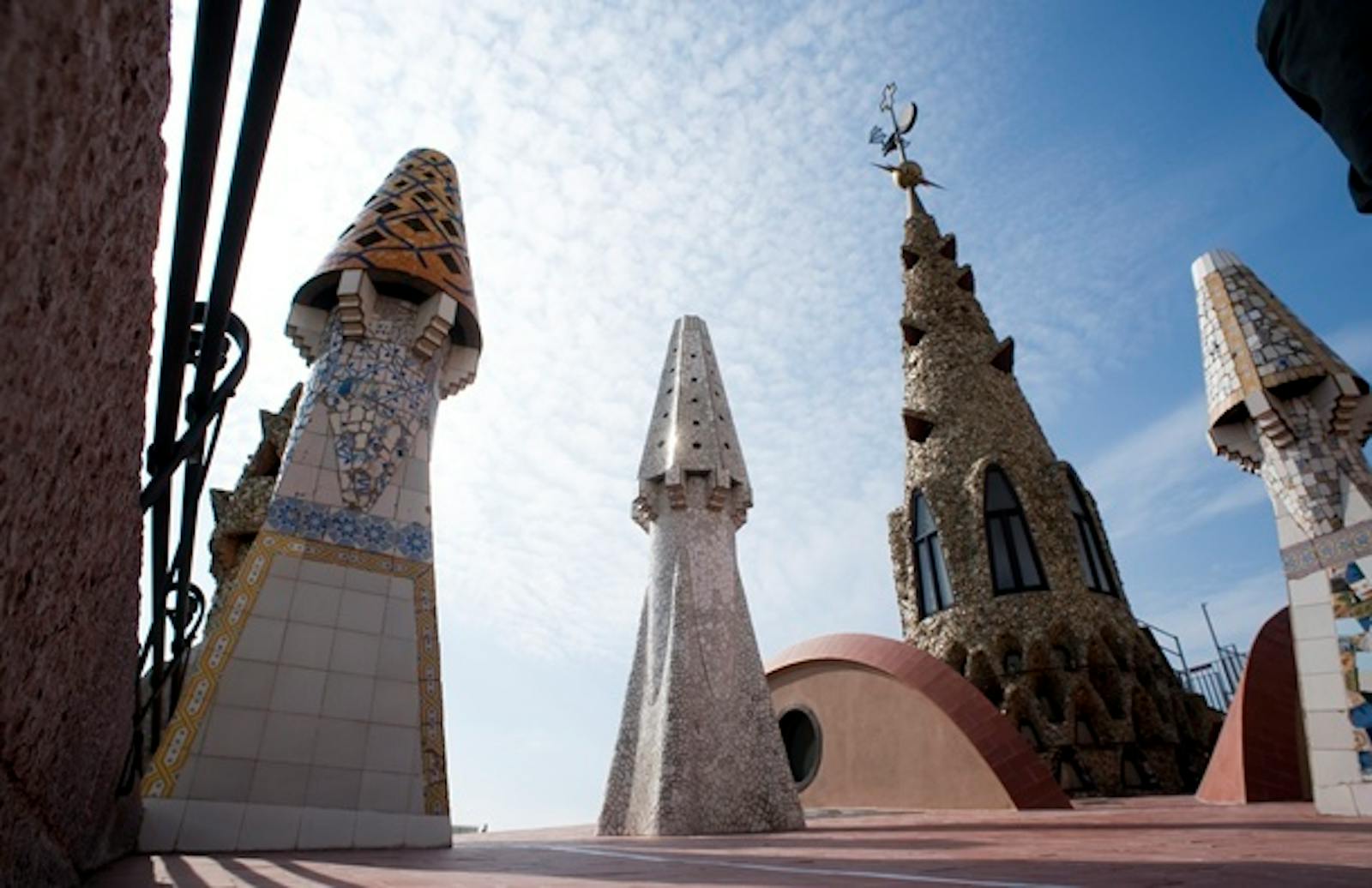
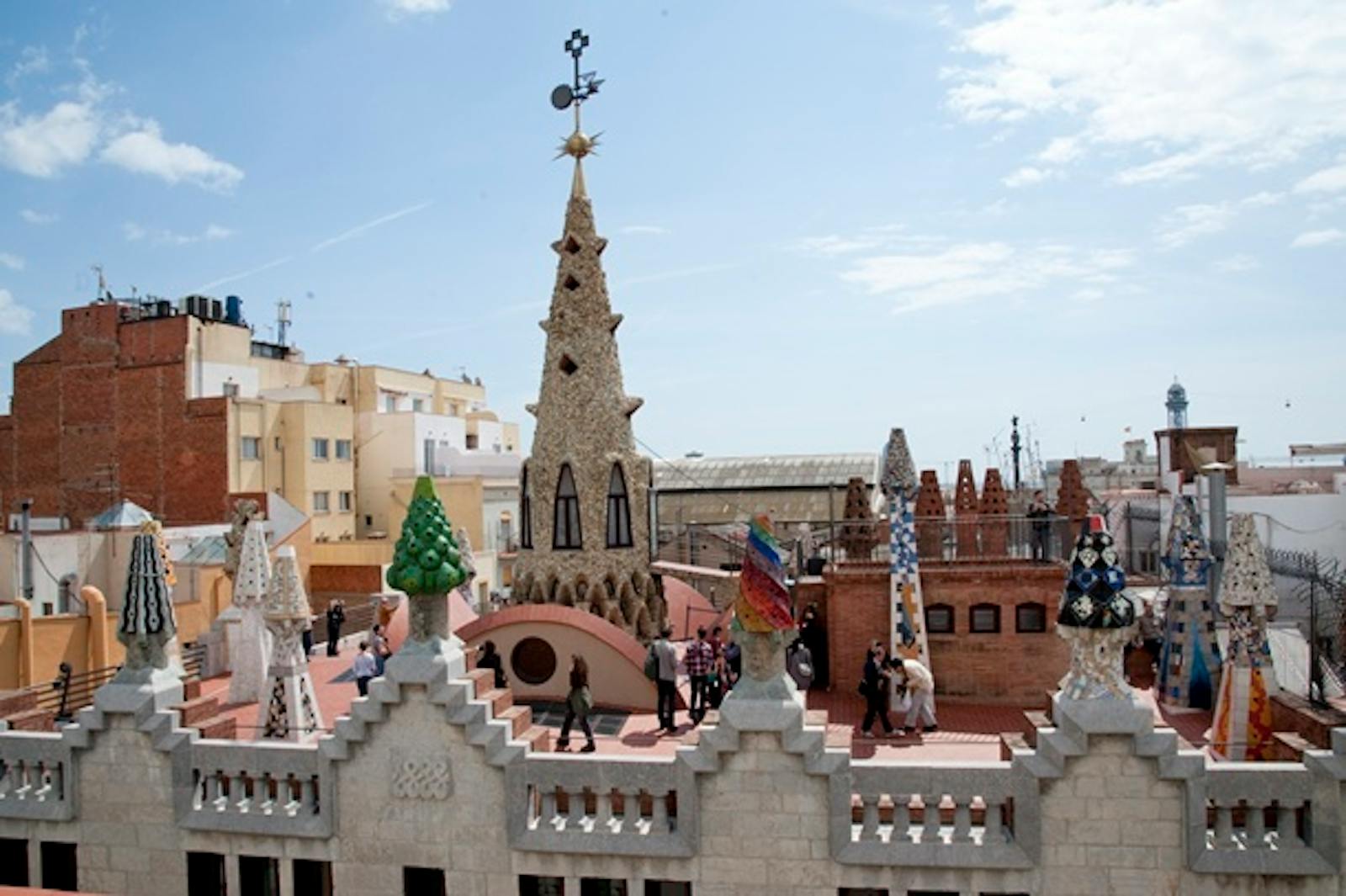
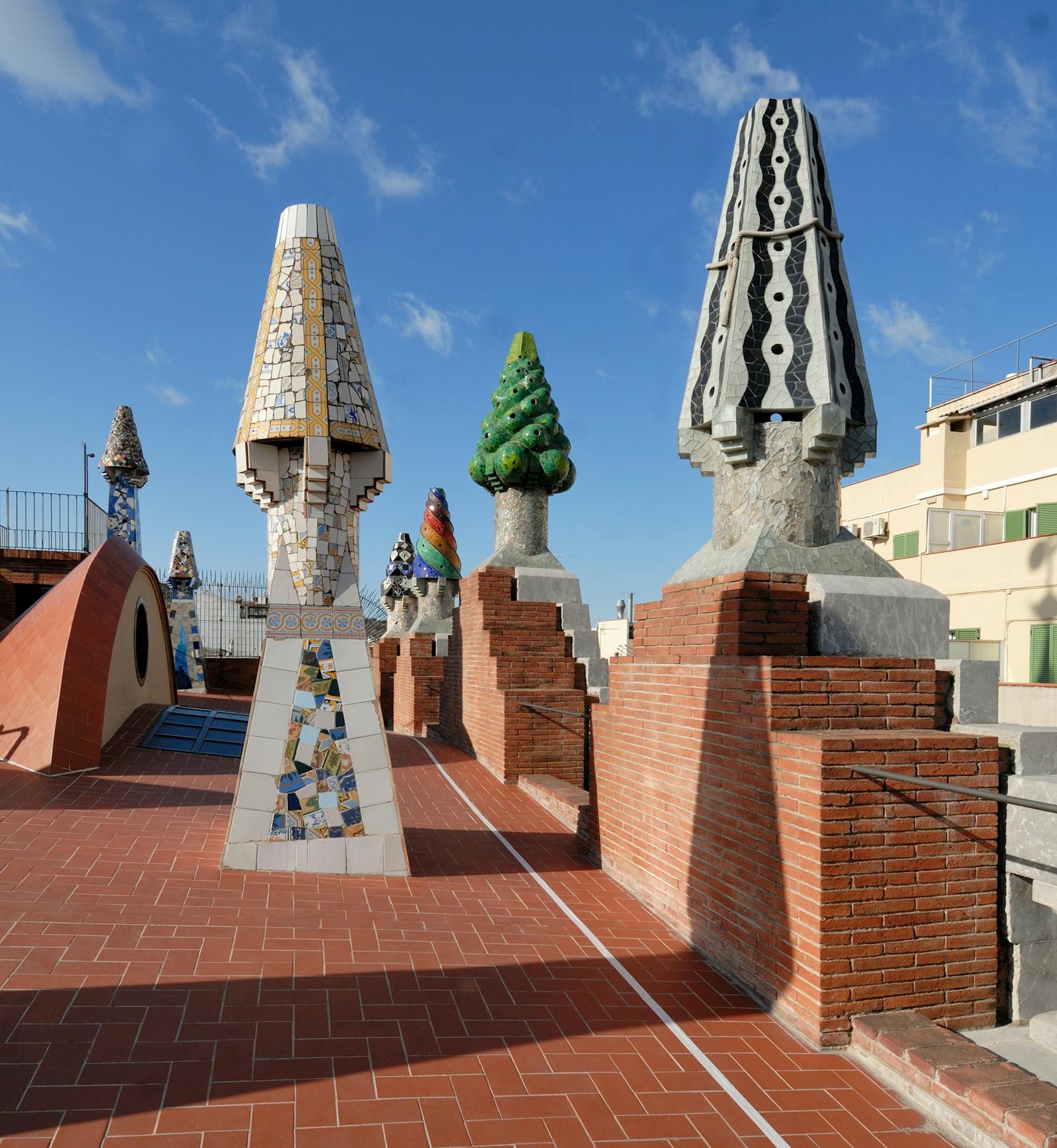
The terrace, accessible to visitors, is dominated by the 20 sculptural chimneys in glazed ceramic. They serve as light wells and ventilation, while offering a unique architectural landscape. Four skylights with parabolic arches illuminate the dome and ventilate the attic, allowing a discreet view of the outside, and are designed to optimize the energy efficiency of the time. These elements, inspired by nature, reflect Gaudí's organic vision, which integrates functionality and aesthetics into every detail. The terrace, located at the top of the building, offers a panoramic view of the Eixample district and the historic center of Barcelona.
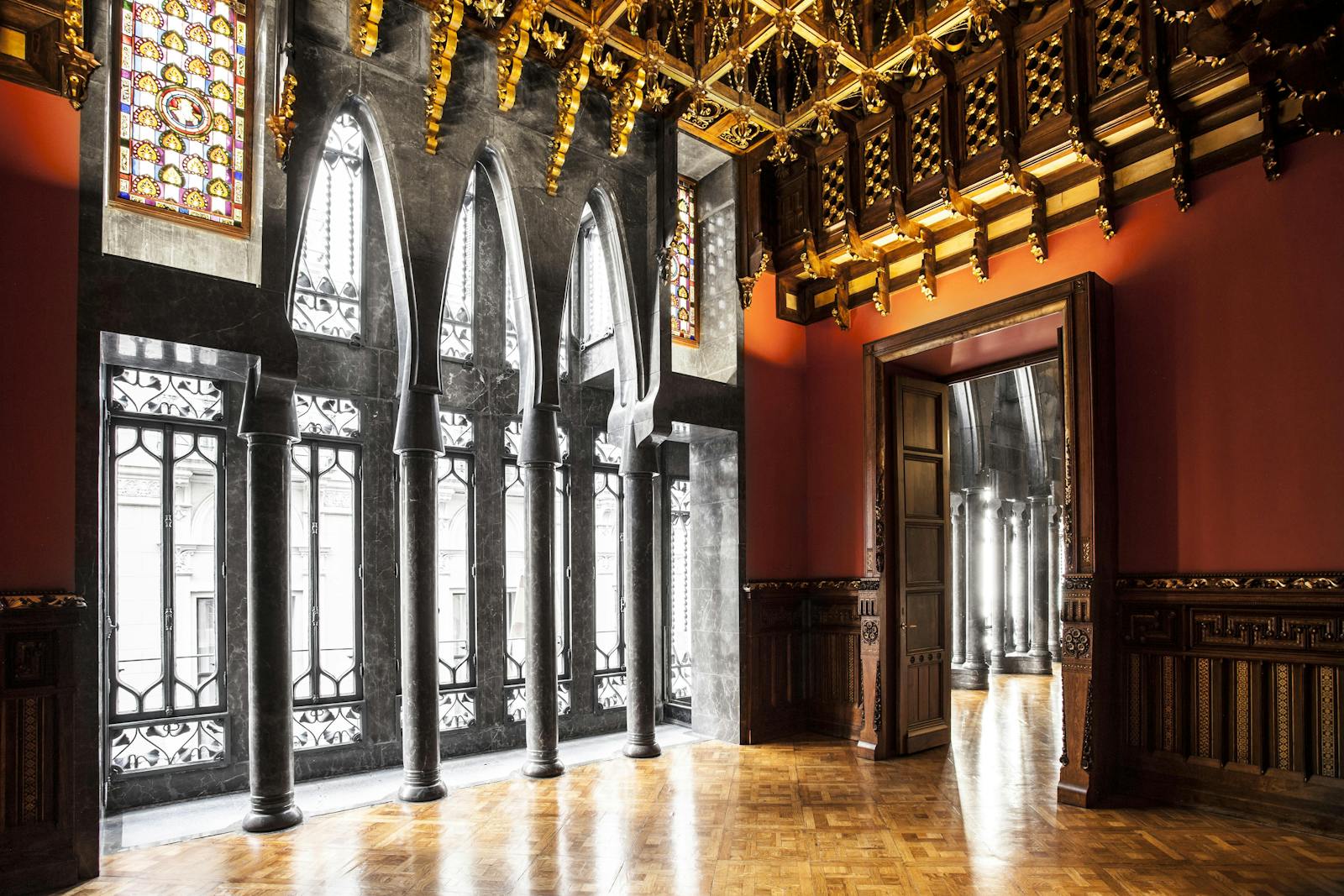
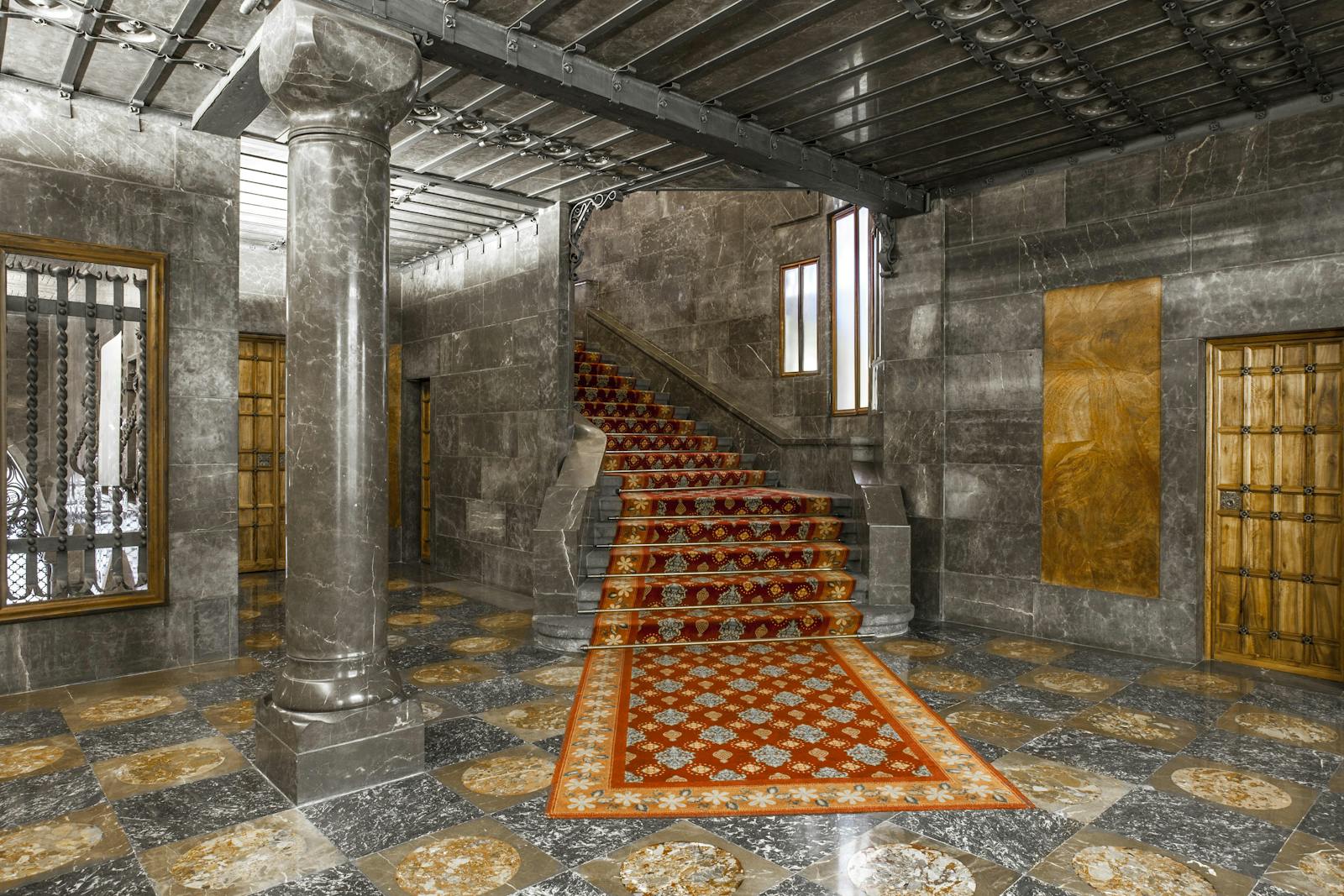
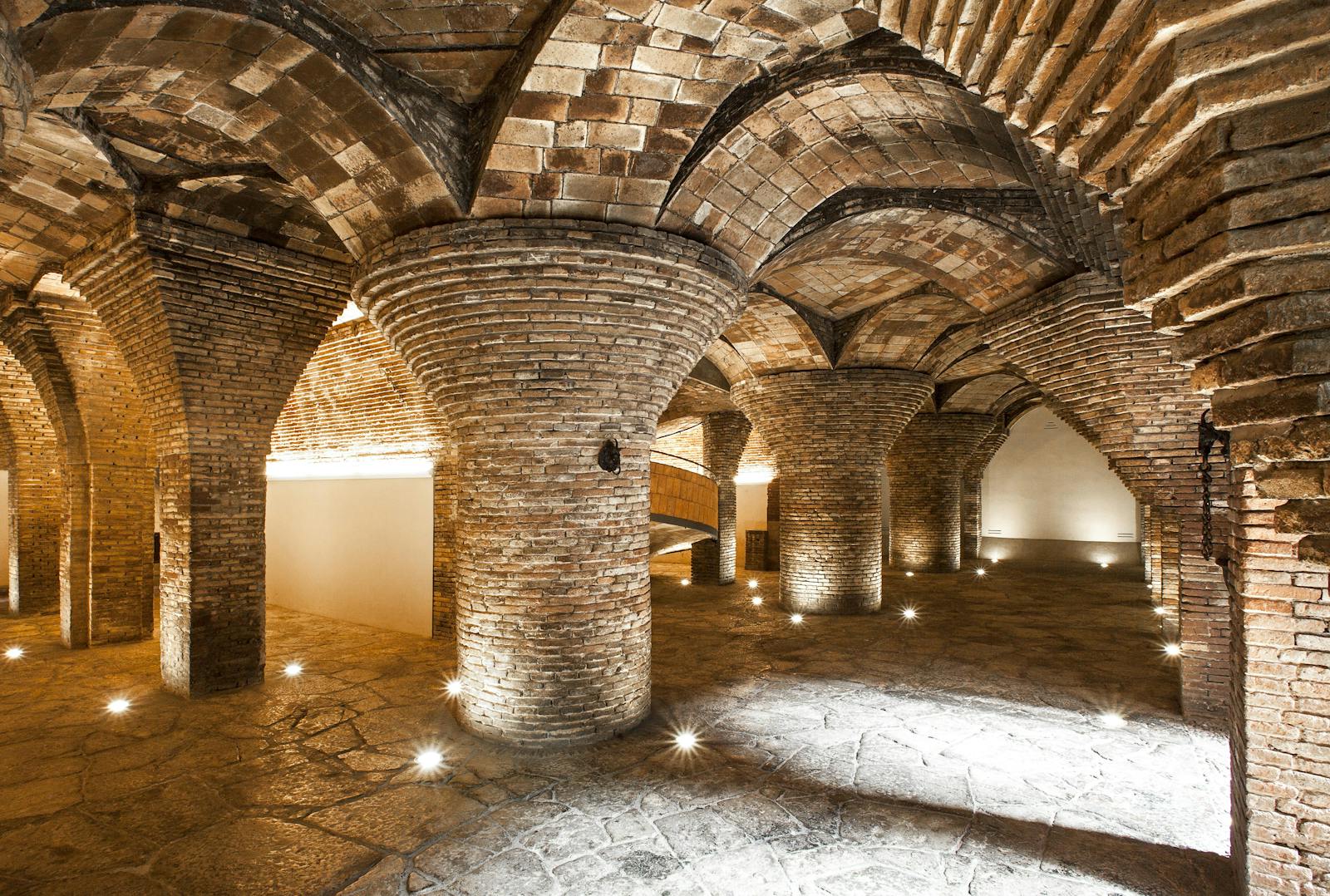
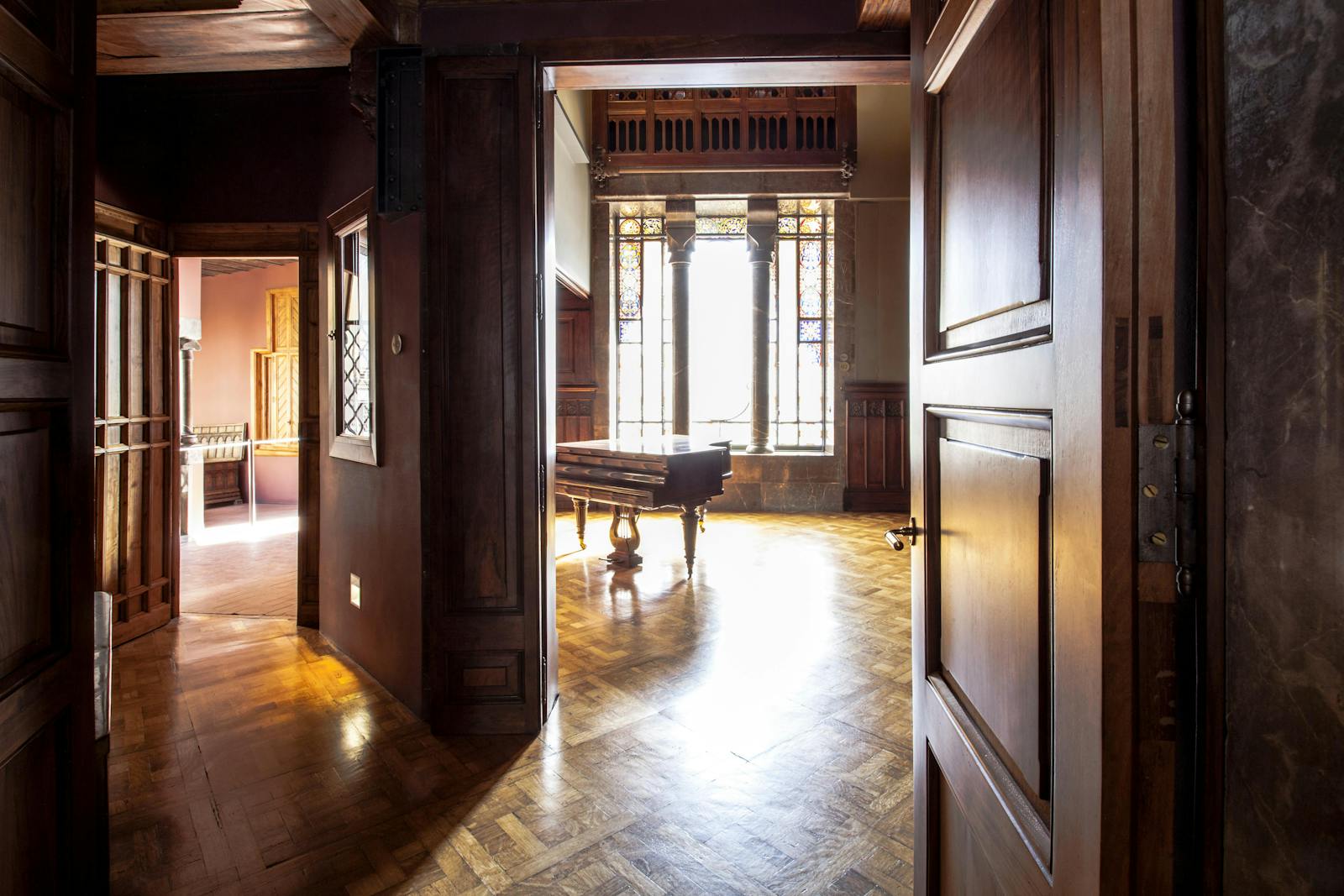
The interior reveals a careful distribution over 5 levels: basement, ground floor, noble floor, two upper floors, and terrace. The noble floor, reserved for social life, is separated from private spaces. The rooms are designed to isolate street noise, offering a tranquil space in the heart of the city. The palace served as a set for the film The Last Detail in 1975, starring Jack Nicholson, and remains an iconic site of Catalan architecture.
Architectural details and anecdotes
The carriage entrances with parabolic vaults, adorned with wrought iron grilles, are an emblematic example of Gaudí's innovation. Their original shape sparked debates at the time, but they were quickly recognized as an architectural advance. The door tympanums integrate the initials of Eusebi Güell, a discreet tribute to his patron. These doors, located on Carrer Nou de la Rambla in Barcelona, allow functional access while offering unique aesthetics, blending structure and decoration.
The parabolic dome is pierced with star-shaped openings, diffusing natural light into the central vestibule. Surmounted by a 15-meter lantern, it creates a spectacular lighting effect, transforming the space into a place of contemplation. The skylights with parabolic arches, located on the terrace, illuminate the dome while offering a discreet view of the city. These elements, designed by Antoni Gaudí, illustrate his genius in integrating light and ventilation into architecture.
The palace has been classified as a cultural asset of interest in Spain since 1969, with reference RI-51-0003821. Its inscription by UNESCO in 1984 testifies to its global importance. In 1975, the palace served as a set for the film The Last Detail starring Jack Nicholson, adding a cinematic dimension to its history. This work, located in the Eixample district, is one of the seven Gaudí creations inscribed as World Heritage Sites.